Homeopathy Treatment for Pediatric Diseases
Homeopathy is widely used in pediatric care for its gentle, non-toxic, and individualized approach to treating children. It can help manage various acute and chronic conditions in children by boosting their natural immune response and addressing the root causes of illnesses. Homeopathic remedies are known for their minimal side effects, making them a safe option for children of all ages, from infants to adolescents.
Why Homeopathy is Suitable for Children
- Gentle and Safe: Homeopathic remedies are prepared through a process of dilution and potentization, meaning they contain minimal active ingredients, reducing the risk of side effects.
- Non-Addictive: Unlike some conventional medications, homeopathic remedies do not create dependency, making them ideal for long-term use if needed.
- Individualized Treatment: Homeopathy considers each child’s unique physical, emotional, and mental characteristics to prescribe tailored remedies.
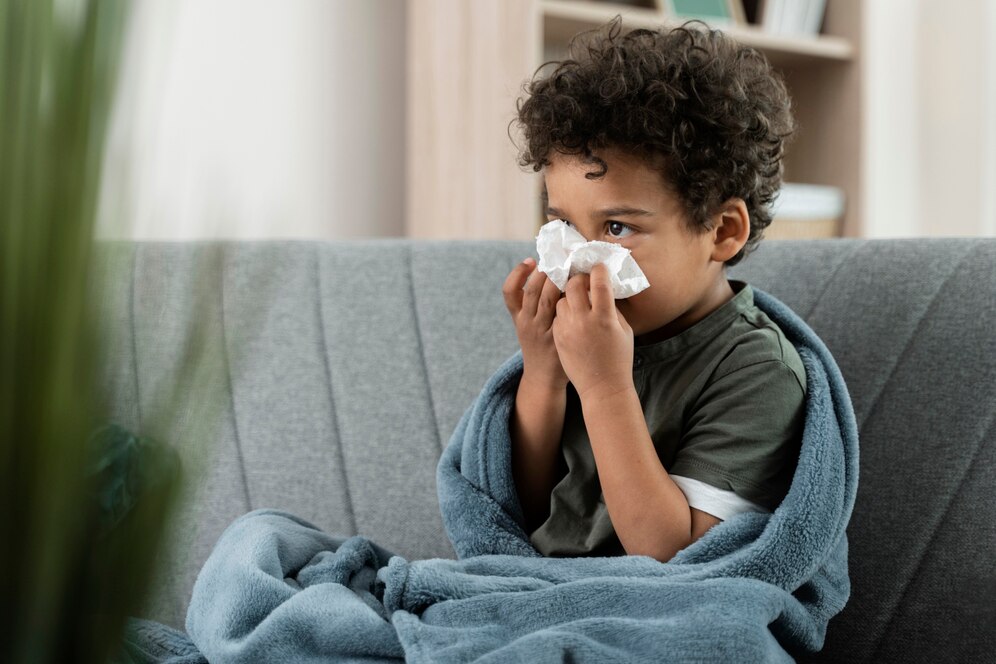
Common Pediatric Conditions Treated with Homeopathy
- Respiratory Issues: Asthma, bronchitis, colds, coughs, and allergies.
- Digestive Disorders: Colic, indigestion, diarrhea, constipation, and acid reflux.
- Skin Conditions: Eczema, rashes, hives, and other skin issues.
- Behavioral and Emotional Challenges: Anxiety, temper tantrums, hyperactivity, fears, and adjustment issues.
- Teething and Dental Problems: Teething pain, delayed dentition, and related irritability.
- Recurrent Infections: Ear infections, tonsillitis, urinary tract infections, and frequent colds.
- Developmental Support: Homeopathy can help with growth issues, sleep disturbances, and appetite problems.
- Immunity Boost: Some homeopathic remedies are used to strengthen immunity, helping prevent recurring illnesses.
Benefits of Homeopathy in Pediatric Care
- Treats Root Causes: Homeopathy doesn’t just suppress symptoms; it aims to address the root causes and promote long-term health.
- Minimal Side Effects: Since remedies are highly diluted, they are safe and unlikely to cause adverse reactions in children.
- Supports Emotional and Behavioral Health: Homeopathy takes into account children’s emotional responses and behavioral traits, which can be particularly helpful for issues like anxiety, ADHD, and sleep problems.
- Non-Invasive: Remedies are often administered as small sweet pellets, which are easy for children to take without any invasive procedures.
Limitations of Homeopathy for Children
- Not a Substitute for Emergency Care: Homeopathy is not intended for life-threatening situations or acute medical emergencies. It works best as a complementary approach for chronic conditions and general wellness.
- Requires Patience: Homeopathic treatment often works gradually, especially for chronic issues. Parents should be prepared for consistent follow-ups to see long-term improvements.
- Professional Guidance Needed: Self-prescribing can be risky, especially for complex conditions, so consulting a trained homeopathic doctor is essential.
What to Expect During a Pediatric Homeopathic Consultation
- Comprehensive Assessment: A homeopathic consultation typically involves a detailed history of the child’s physical, emotional, and mental health, including birth history, family medical history, lifestyle, and personality traits.
- Individualized Remedy Selection: Based on the information gathered, the practitioner selects a remedy tailored to the child’s unique symptoms and overall health profile.
- Regular Follow-Ups: Follow-up appointments allow the practitioner to assess progress, make adjustments, and ensure that treatment is aligned with any changes in the child’s health.
Homeopathy as a Complement to Conventional Pediatric Care
- Homeopathy can often be used alongside conventional medicine. For example, children taking antibiotics for an acute infection may also benefit from homeopathic remedies to support immunity or reduce side effects.
- For conditions like asthma or eczema, homeopathy can complement conventional treatments by reducing symptom severity and frequency, potentially leading to a reduced need for stronger medications.
Using Homeopathy to Strengthen Immunity in Children
- Certain homeopathic remedies are known to strengthen children’s immune systems, helping to prevent frequent infections.
- Remedies like Silicea and Calcarea Phosphorica are often prescribed for immunity, promoting general resilience against illnesses, especially during seasonal changes.
Homeopathy for Behavioral and Emotional Development
- Homeopathy can be particularly effective for addressing emotional and behavioral issues in children, such as separation anxiety, hyperactivity, temper tantrums, and adjustment issues.
- Remedies are selected based on specific traits, such as fearfulness, mood swings, or neediness, offering gentle support for emotional regulation and mental well-being.
Key Considerations for Parents Using Homeopathy for Children
- Consistency is Key: Following the prescribed dosage and scheduling regular check-ups with the practitioner is essential for effective treatment.
- Patience and Observation: Homeopathy often works slowly but progressively, so it’s important to observe subtle changes over time.
- Combining Lifestyle and Diet: A healthy diet and lifestyle can enhance the effects of homeopathic treatment. Many homeopathic practitioners recommend avoiding excessive sugar, artificial food additives, and processed foods.
- Seek Professional Advice: Self-prescribing is not advised for children, as symptoms may change quickly, and only a trained homeopathic practitioner can adjust remedies based on these changes.